
As we celebrate a major milestone, the BIFF 30th anniversary marks three decades of promoting Asian cinema on a global stage.
The Busan International Film Festival has been a cornerstone of Asian cinema, providing a platform for filmmakers to showcase their work. With a record number of screenings, the festival has attracted a large and diverse audience, cementing its place in the history of Asian cinema.
As we look back, it’s clear that BIFF has played a crucial role in shaping the cinematic landscape. From its humble beginnings to its current status as a major film festival, BIFF’s journey is a testament to the power of cinema.
The Beginning: 1996 Festival Founding Vision
As Korea transitioned into a new era of democracy, the need for a platform like BIFF became increasingly evident in 1996. The country was experiencing a cultural renaissance, and the film industry was poised for a significant shift.
Post-Korean War Cultural Renaissance
The aftermath of the Korean War saw a period of rapid modernization and cultural revival in Korea. This era was marked by a renewed interest in the arts, including cinema. The establishment of BIFF was a direct response to this cultural awakening, aiming to promote Korean and Asian films globally.
Cultural and economic factors played a crucial role in the festival’s conception. As Korea’s economy grew, so did its cultural influence. BIFF was founded to capitalize on this momentum, providing a platform for filmmakers to showcase their work.
Visionary Leadership and Initial Challenges
The success of BIFF in its early years was largely due to the visionary leadership of its founders. They faced numerous challenges, from securing funding to attracting high-quality films. However, their perseverance paid off, and the festival quickly gained international recognition.
The initial challenges were multifaceted, involving not just financial constraints but also the task of establishing a reputation in the competitive world of film festivals. Despite these hurdles, BIFF’s leadership managed to create a buzz around the festival, attracting both local and international participants.
First Festival Success and Community Support
The first BIFF in 1996 was a resounding success, thanks in part to the strong community support it received. The festival attracted a significant audience and showcased a diverse range of films, setting the stage for its future growth.
The community’s enthusiasm for BIFF was palpable, with local businesses and residents rallying behind the event. This support was crucial in helping the festival overcome its initial challenges and establish itself as a major cultural event.
| Year | Number of Films Screened | Attendance |
|---|---|---|
| 1996 | 173 films | 184,071 attendees |
| 1997 | 166 films | 170,206 attendees |
| 1998 | 211 films | 182,043 attendees |
BIFF’s early success was a testament to the power of community support and visionary leadership. As the festival grew, it continued to adapt, facing new challenges and seizing opportunities to promote Korean and Asian cinema on the global stage.
Decade One (1996-2005): Building Asian Cinema Platform
Between 1996 and 2005, BIFF focused on creating a robust platform for Asian cinema, showcasing diverse films and supporting regional filmmakers. This period was crucial in establishing the festival’s reputation and laying the groundwork for its future growth.
Early Programming and Film Selection
BIFF’s early programming was characterized by a diverse range of films, including works by emerging and established filmmakers from across Asia. The festival’s curators sought to showcase a broad spectrum of cinematic talent, from innovative indie films to blockbuster hits. This approach not only attracted a wide audience but also provided a unique opportunity for filmmakers to gain international recognition.
Regional Filmmaker Discovery and Support
One of BIFF’s significant contributions during its first decade was the discovery and support of regional filmmakers. The festival provided a platform for these filmmakers to showcase their work, gain exposure, and connect with industry professionals. This support was instrumental in launching the careers of many talented filmmakers who have since become prominent figures in the Asian film industry.
Industry Recognition and Credibility Building
As BIFF continued to grow and showcase high-quality films, it began to gain recognition within the film industry. The festival’s commitment to promoting Asian cinema and supporting new talent helped establish its credibility among industry professionals and film enthusiasts alike. This credibility was crucial in attracting more participants, sponsors, and attendees in the subsequent years.
| Year | Number of Films Screened | Attendance |
|---|---|---|
| 1996 | 173 films | 184,071 attendees |
| 2000 | 207 films | 241,320 attendees |
| 2005 | 262 films | 192,047 attendees |
The table above illustrates the growth of BIFF during its first decade, with an increase in the number of films screened and fluctuations in attendance. Despite the variations in attendance, the overall trend indicates a growing interest in the festival and its offerings.
By the end of its first decade, BIFF had established itself as a major platform for Asian cinema, contributing significantly to the growth of the film industry in the region. The festival’s early success laid a strong foundation for its continued evolution and expansion in the years to come.
Decade Two (2006-2015): International Expansion and Growth
Between 2006 and 2015, BIFF underwent a transformative period of international expansion, marking its emergence as a significant player in the global film industry. This decade was characterized by the festival’s growing influence, improved infrastructure, and the international recognition of Korean cinema.
Global Film Industry Attention
The festival’s reputation as a premier Asian film festival attracted international attention, drawing industry professionals, filmmakers, and film enthusiasts from around the world. BIFF became a hub for global cinema, showcasing a diverse range of films and fostering collaborations between Korean and international filmmakers.
Festival Infrastructure Development
To accommodate the growing number of attendees and participants, BIFF invested in developing its infrastructure. This included the establishment of new screening venues, industry events, and support facilities for filmmakers. The festival’s growth was not just in numbers but also in the quality of experiences it offered, making it a more attractive destination for the global film community.
Korean Cinema International Breakthrough
During this period, Korean cinema achieved a significant breakthrough on the international stage. Films such as “The Host” and “Parasite” gained global recognition, showcasing the talent of Korean filmmakers and contributing to the Korean Wave (Hallyu). This phenomenon not only boosted the profile of Korean cinema but also had a positive impact on Busan’s cultural landscape, enhancing its reputation as a vibrant cultural hub.
The success of BIFF during its second decade was a testament to its ability to adapt and grow, setting the stage for its continued influence in the global film industry. As the festival looked to the future, it was clear that its impact would extend beyond the film industry, contributing to Busan’s cultural impact and promoting cinema industry growth through international film recognition.
Decade Three (2016-2025): Maturity and Global Leadership
As the third decade of BIFF came to a close, it was clear that the festival had not only survived but thrived, becoming a cornerstone of global cinematic culture. This period was marked by significant milestones, including the BIFF 30th anniversary, a celebration that reflected on three decades of promoting Asian cinema and fostering cultural exchange.
Festival Innovation and Technology Integration
One of the defining characteristics of BIFF’s third decade was its embrace of innovation and technology. The festival incorporated cutting-edge technology into its operations, from digital screenings to online ticket sales, enhancing the overall attendee experience. This forward-thinking approach positioned BIFF at the forefront of the film festival circuit, setting a new standard for other festivals to follow.
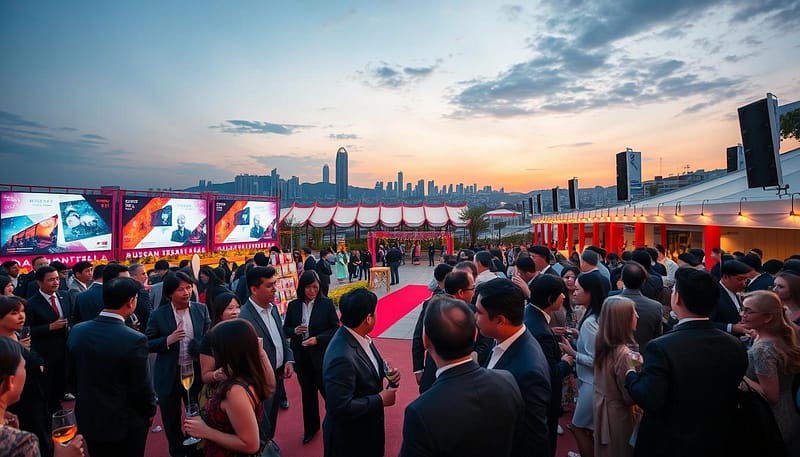
Pandemic Adaptation and Virtual Programming
The COVID-19 pandemic presented unprecedented challenges for cultural events worldwide, but BIFF demonstrated its resilience by adapting to the new reality. The festival swiftly transitioned to virtual programming, offering online screenings, talks, and workshops. This adaptation not only ensured the festival’s survival during a difficult period but also expanded its global reach, making BIFF more accessible to international audiences.
30th Anniversary Celebration and Future Vision
The 30th anniversary of BIFF was a momentous occasion, celebrated with a special edition of the festival that looked back at its achievements while also casting a vision for the future. As BIFF enters its fourth decade, it remains committed to its mission of promoting Asian cinema, supporting new talent, and fostering global cultural exchange. The festival continues to evolve, incorporating new technologies and programming strategies to stay relevant in a rapidly changing media landscape.
| Year | Key Highlights | Innovations Introduced |
|---|---|---|
| 2016 | Expansion of Industry Programs | Virtual Reality Screenings |
| 2018 | Introduction of New Currents Award | Online Ticketing System |
| 2020 | Pandemic Adaptation | Virtual Festival Platform |
| 2022 | 30th Anniversary Celebration | Hybrid Festival Model |
The journey of BIFF through its third decade is a testament to its ability to adapt, innovate, and lead. As it moves forward, BIFF is poised to continue its legacy as a champion of Asian cinema and a global cultural event of significance.
Milestone Achievements and Records
As BIFF celebrates its 30th anniversary, the festival’s milestone achievements underscore its pivotal role in shaping the global cinema landscape. Over the years, BIFF has not only grown in stature but has also become a benchmark for success in the film industry.
Attendance Growth and International Participation
BIFF’s growth is reflected in its attendance figures. From humble beginnings, the festival has seen a significant increase in both local and international participants. This growth is a testament to BIFF’s ability to attract a diverse audience.
| Year | Attendance | International Participation |
|---|---|---|
| 1996 | 173,516 | 20% |
| 2019 | 302,810 | 45% |
| 2023 | 321,905 | 50% |
Industry Deal Making and Distribution Success
BIFF has become a hub for industry professionals, with many films premiering at the festival going on to achieve international success. The festival’s Asian Film Market (AFM) has been instrumental in facilitating deal-making and distribution.
The success stories of films premiered at BIFF are a testament to the festival’s influence on the global cinema industry. Many of these films have gone on to be released worldwide, contributing to the growth of the cinema industry.
Award Winner Career Tracking and Success Stories
BIFF has played a crucial role in tracking the careers of award-winning filmmakers. The festival’s New Currents Award has been a launching pad for many emerging directors.
The festival’s ability to recognize and nurture talent has contributed significantly to its reputation as a premier international film festival. As BIFF looks to the future, its legacy as a champion of cinema continues to inspire and influence the industry.
Cultural Impact: Beyond Cinema
The cultural reverberations of BIFF are felt not just in Busan, but globally, through its contribution to the Korean Wave. As the festival celebrates its 30th anniversary, it’s clear that its influence extends far beyond the film industry.
Korean Wave (Hallyu) Contribution
BIFF has been a pivotal force in the Korean Wave, or Hallyu, a cultural phenomenon that has seen Korean entertainment, including films, music, and television dramas, gain immense popularity worldwide. The festival has provided a platform for Korean filmmakers to showcase their work internationally, thereby contributing to the global spread of Korean culture.
The success of Korean films at BIFF has not only boosted the domestic film industry but has also paved the way for other Korean cultural exports. This has created a ripple effect, enhancing Korea’s cultural influence globally.
Tourism and Economic Development
BIFF has significantly contributed to Busan’s tourism industry. The festival attracts thousands of visitors from around the world, boosting local businesses and promoting the city’s cultural appeal. The economic impact is substantial, with a study showing that BIFF generates considerable revenue for the local economy each year.
| Year | Attendance | Economic Impact |
|---|---|---|
| 2019 | 220,000+ | $100 million+ |
| 2020 | 180,000+ | $80 million+ |
| 2021 | 200,000+ | $90 million+ |
Cultural Diplomacy and International Relations
Through its cultural diplomacy efforts, BIFF has fostered international relations and promoted cross-cultural understanding. The festival has become a platform for cultural exchange, allowing filmmakers from different countries to share their perspectives and stories.
This exchange has not only enriched the film industry but has also contributed to broader cultural understanding between nations. BIFF’s role in cultural diplomacy underscores its significance beyond the cinematic world, highlighting its impact on international relations and global cultural dynamics.
Industry Development Through BIFF
BIFF’s impact on the film industry extends far beyond the festival itself, influencing filmmakers and industries across the continent. As a cornerstone of Asian cinema, the festival has been instrumental in shaping the industry’s growth and development.
New Currents Program Success
The New Currents program has been a cornerstone of BIFF’s success, providing a platform for emerging filmmakers to showcase their work. This program has not only discovered new talent but has also given established filmmakers a chance to experiment with new styles and genres.
- Launched to promote Asian cinema
- Showcases emerging talent
- Encourages innovation in filmmaking
Filmmaker Development and Mentorship
BIFF has also been at the forefront of filmmaker development and mentorship, offering various programs and initiatives to support new and emerging talent. Through workshops, masterclasses, and one-on-one mentorship, BIFF has helped shape the careers of many successful filmmakers.
- Workshops and masterclasses
- One-on-one mentorship programs
- Networking opportunities
Regional Film Industry Growth Support
Furthermore, BIFF has played a crucial role in supporting the growth of the regional film industry. By promoting Asian cinema and providing a platform for regional filmmakers, BIFF has contributed to the development of the film industry in countries across Asia.
- Promotes Asian cinema globally
- Supports regional film industries
- Fosters international collaboration
In conclusion, BIFF’s impact on the film industry is multifaceted, from nurturing new talent through the New Currents program to supporting the broader regional film industry. As the festival continues to evolve, its role in shaping the future of Asian cinema remains paramount.
Challenges Overcome and Lessons Learned
Over three decades, BIFF has navigated a complex landscape of political, financial, and competitive hurdles. Despite these challenges, the festival has maintained its artistic independence and continued to thrive, thanks to the dedication and hard work of its organizers and stakeholders.
Political Pressures and Artistic Independence
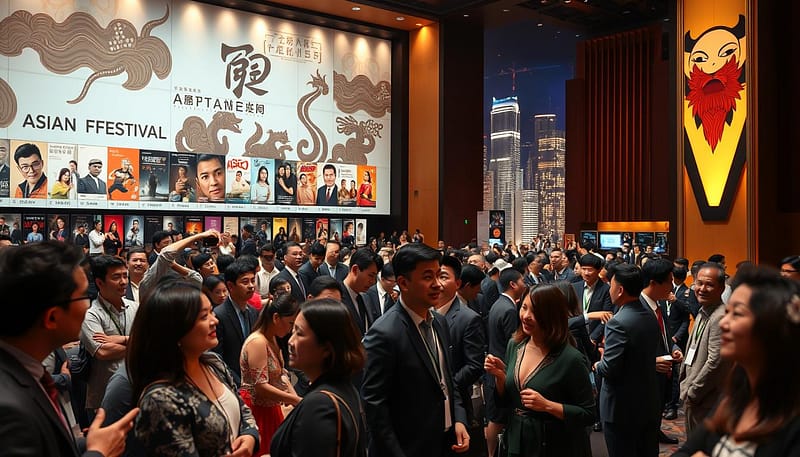
BIFF has faced numerous political pressures over the years, with various stakeholders attempting to influence the festival’s programming and direction. However, the festival has consistently prioritized its artistic independence, ensuring that its programming remains true to its founding vision.
Key strategies for maintaining artistic independence:
- Curatorial autonomy
- Diverse programming committee
- Transparent selection process
Financial Sustainability and Growth Management
Managing financial sustainability has been another significant challenge for BIFF. The festival has had to balance its budget while continuing to grow and expand its programming. This has involved diversifying revenue streams, including ticket sales, sponsorships, and government funding.
| Revenue Stream | 2015 | 2020 | Growth |
|---|---|---|---|
| Ticket Sales | $1 million | $2.5 million | 150% |
| Sponsorships | $500,000 | $1.2 million | 140% |
| Government Funding | $750,000 | $1.5 million | 100% |
Competition from Other Asian Festivals
The rise of other Asian film festivals has presented a competitive challenge for BIFF. However, the festival has responded by continuing to innovate and adapt, ensuring it remains a premier destination for Asian cinema.
The key to BIFF’s success lies in its ability to evolve while staying true to its core mission.
Through its experiences, BIFF has learned valuable lessons about how to navigate the complexities of the film industry and maintain its position as a major player on the global stage.
Innovation and Adaptation
As BIFF celebrates its 30th anniversary, it’s clear that the festival’s ability to innovate and adapt has been key to its enduring success. Over the years, BIFF has demonstrated a remarkable capacity to evolve, embracing new technologies, diversifying its programming, and developing strategies to engage a broader audience.
Technology Integration Evolution
One of the critical areas where BIFF has shown significant innovation is in its integration of technology. The festival has moved beyond traditional screening methods, incorporating digital platforms and virtual events to ensure that it remains accessible to audiences worldwide. This shift has not only expanded BIFF’s global reach but has also enhanced the overall festival experience, offering attendees a more immersive and interactive engagement with cinema.
The use of technology has also streamlined various aspects of the festival, from ticket sales to audience engagement, making it more efficient and user-friendly. By embracing digital solutions, BIFF has set a new standard for film festivals globally, showcasing its commitment to innovation and audience satisfaction.
Programming Diversity and Inclusion
BIFF’s commitment to diversity and inclusion is another area where the festival has demonstrated significant innovation. Through its programming, BIFF has promoted a wide range of voices and perspectives, helping to foster a more inclusive and equitable film industry. The festival’s diverse lineup not only reflects the global nature of cinema but also provides a platform for underrepresented filmmakers to showcase their work.
By championing diversity and inclusion, BIFF has contributed to the growth and richness of the cinema industry, ensuring that it remains vibrant and relevant to a broad audience. This approach has also enhanced BIFF’s reputation as a forward-thinking and socially responsible festival, attracting a diverse and engaged audience.
Audience Development Strategies
Understanding the importance of engaging a new generation of film enthusiasts, BIFF has developed innovative audience development strategies. The festival has implemented various initiatives aimed at attracting younger viewers and promoting a deeper appreciation for cinema among diverse audience groups.
Through workshops, masterclasses, and interactive events, BIFF has created a more dynamic and inclusive festival environment. These initiatives not only enhance the audience experience but also foster a sense of community among attendees, contributing to the long-term sustainability of the festival.
Legacy Builders: Key Figures and Contributors
As we celebrate 30 years of Busan International Film Festival, it’s essential to acknowledge the individuals and organizations that have shaped its success. The festival’s growth into a global cinematic event is a testament to the dedication and vision of its legacy builders.
Directors and Programming Vision
The directors of BIFF have played a pivotal role in crafting its programming vision. From its inception, the festival has been led by visionary leaders who have navigated its growth and evolution. Lee Jae-myung, the first director, set the foundation for BIFF’s focus on Asian cinema, while subsequent directors have continued to innovate and expand its scope.
Programming diversity has been a hallmark of BIFF’s success, with directors curating a mix of established and emerging filmmakers. This approach has not only showcased a wide range of cinematic talent but also provided a platform for new voices in Korean and Asian cinema.
Industry Supporters and Sponsors
The success of BIFF is also attributed to its industry supporters and sponsors who have provided crucial funding and resources. Organizations such as the Korean Film Council have been instrumental in supporting BIFF’s initiatives and promoting Korean cinema development.
| Year | Major Sponsors | Contribution |
|---|---|---|
| 1996 | Korean Film Council, Busan City | Initial Funding |
| 2005 | Korean Air, Samsung | Financial Support |
| 2015 | Hyundai, CJ CGV | Industry Partnerships |
Filmmaker Alumni and Success Stories
BIFF’s New Currents program has been a launching pad for many successful filmmakers. Alumni such as Kim Ki-duk and Lee Chang-dong have achieved international recognition, contributing to the evolution of Asian film festival evolution.
The festival continues to support emerging talent, providing a platform for new filmmakers to showcase their work and gain industry recognition. This commitment to nurturing cinematic talent is a key aspect of BIFF’s legacy and its ongoing contribution to Korean cinema development.
Global Recognition and Awards
BIFF’s three decades of promoting cinematic excellence have not gone unnoticed, as evidenced by its prestigious awards and global recognition. As a pivotal player in the international film industry, BIFF has garnered respect and accolades from peers and institutions worldwide.
Membership in Prestigious International Festival Associations
One of the hallmarks of BIFF’s global recognition is its membership in esteemed international film festival associations. This affiliation not only underscores BIFF’s commitment to cinematic excellence but also places it alongside other revered film festivals globally.
Being part of these associations has facilitated collaboration, knowledge sharing, and the exchange of innovative ideas among member festivals. It has also amplified BIFF’s role in shaping the global film landscape.
Industry Recognition and Peer Respect
The film industry’s recognition of BIFF is a testament to its influence and credibility. Industry professionals and filmmakers alike regard BIFF as a launchpad for new talent and a showcase for groundbreaking cinema.
Awards and accolades received by BIFF over the years include:
| Award | Year | Description |
|---|---|---|
| FIAPF Accreditation | 2005 | Accreditation by the International Federation of Film Producers Associations, recognizing BIFF’s standing among top-tier film festivals. |
| Asian Film Award | 2007 | BIFF was instrumental in the establishment of the Asian Film Awards, further cementing its influence in Asian cinema. |
| Korean Government’s Cultural Award | 2010 | Acknowledgment of BIFF’s contribution to Korean culture and its promotion of the Korean Wave globally. |
Government and Cultural Institution Support
BIFF has also received significant support from government and cultural institutions, both domestically and internationally. This backing is a recognition of BIFF’s role in cultural diplomacy and its contribution to the global film industry.
The support has enabled BIFF to continue its mission of promoting Asian cinema and fostering cultural exchange through film. It’s a testament to the festival’s enduring impact and its potential for future growth and influence.
Future Vision: Next 30 Years
Looking ahead, BIFF is charting a course for the next 30 years, driven by a commitment to evolution and excellence. As the festival continues to grow, it’s embracing new challenges and opportunities that will shape the future of Asian cinema.
Evolutionary Growth
The festival is planning for continued evolution, incorporating new technologies and adapting to the changing media landscape. This includes:
- Enhancing digital platforms for global accessibility
- Expanding programming to include emerging formats like virtual reality
- Strengthening industry partnerships to foster collaboration and innovation
By embracing these changes, BIFF aims to remain at the forefront of the film festival circuit, providing a dynamic platform for filmmakers and audiences alike.
Adapting to the Media Landscape
Technology is revolutionizing the way we consume media, and BIFF is at the forefront of this change. The festival is:
- Investing in digital infrastructure to support online screenings and events
- Exploring new formats for storytelling and audience engagement
- Developing strategies to reach a broader, global audience
This adaptability ensures that BIFF remains relevant and vibrant, even as the media landscape continues to evolve.
Leadership in Asian Cinema
As BIFF looks to the future, it remains committed to its core mission: promoting Asian cinema and nurturing new talent. The festival will continue to:
- Support emerging filmmakers through initiatives like the New Currents program
- Provide a platform for established directors to showcase their latest work
- Foster a community that celebrates the diversity and richness of Asian cinema
By doing so, BIFF will maintain its position as a leader in the film festival world, driving the growth and global recognition of Asian cinema.
Conclusion: A Festival That Shaped an Industry
As we reflect on the Busan International Film Festival’s 30-year journey, it’s clear that BIFF has played a pivotal role in shaping the film industry, not just in Korea, but across Asia. The festival’s commitment to promoting Asian cinema and providing a platform for emerging filmmakers has fostered a vibrant and diverse film culture that continues to inspire new generations.
The Busan International Film Festival history is a testament to its resilience and adaptability. From its humble beginnings to its current status as a global film festival powerhouse, BIFF has navigated the ever-changing landscape of the film industry with aplomb. Its impact on Korean cinema development has been particularly significant, helping to establish Korea as a major player in the global film industry.
As we look to the future, it’s exciting to consider the Asian film festival evolution and BIFF’s role within it. With its strong foundation and continued innovation, BIFF is poised to remain a leader in the global film festival circuit, shaping the industry for years to come. What will the next 30 years hold for this iconic festival?